# Global Hypertension Crisis: Millions Die Preventably
Global Hypertension Crisis: Millions Die Preventably
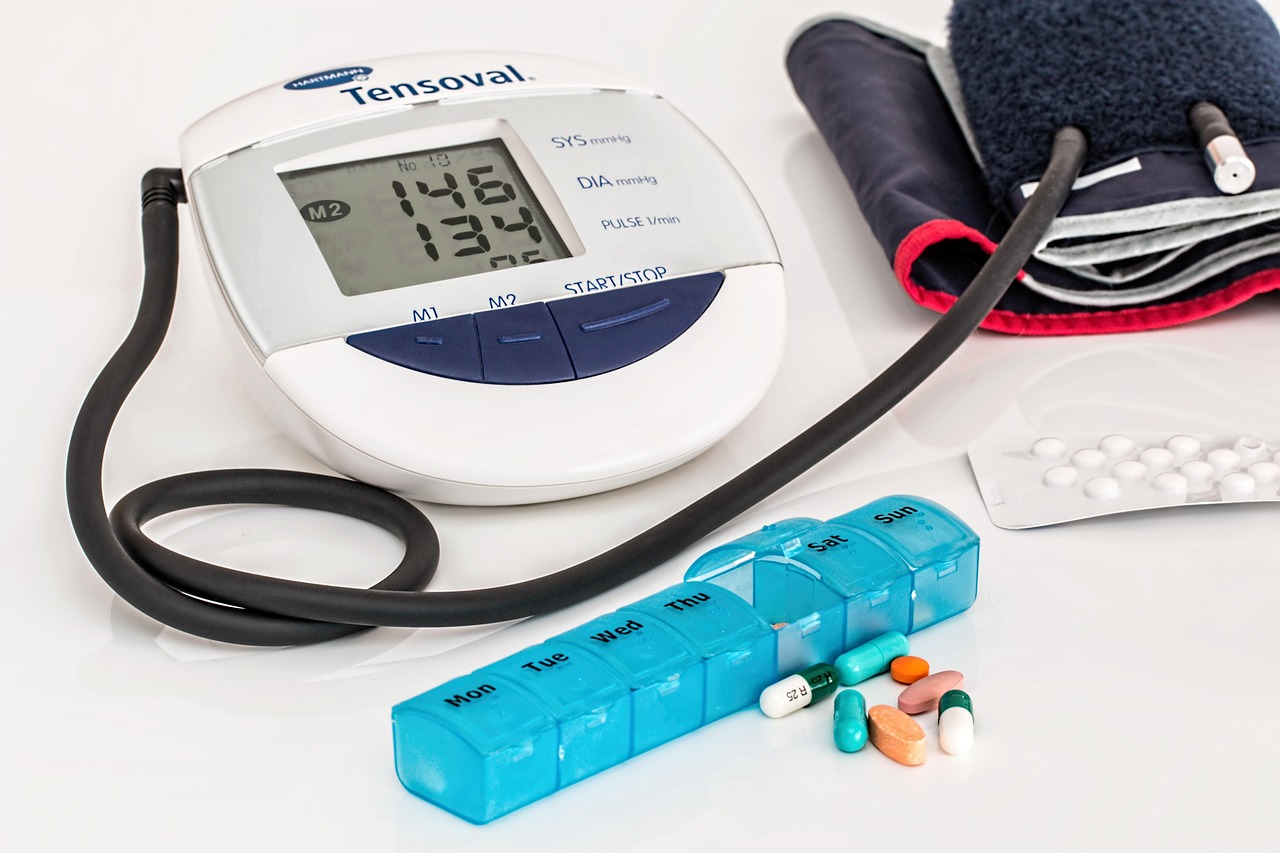
Hypertension, or high blood pressure, affects a staggering 1.4 billion people globally [1], posing a significant threat to global health and economies. This alarming statistic underscores the urgent need for effective interventions, particularly in low- and middle-income countries where access to treatment and resources remain limited [1].
Summary of the Trend
The World Health Organization’s (WHO) second Global Hypertension Report reveals a concerning global trend: 1.4 billion people lived with hypertension in 2024, yet only a small fraction have it under control [1]. This lack of control is particularly pronounced in low- and middle-income countries, where resource constraints hinder effective prevention, diagnosis, treatment, and long-term care [1]. The report highlights that less than one-fifth of these countries achieve national hypertension control rates above 20% [1].
Furthermore, access to essential hypertension medications remains a significant challenge. Only 28% of low-income countries report the general availability of all WHO-recommended hypertension medicines [1]. This limited access, coupled with inadequate control rates, contributes to the substantial global health burden of hypertension.
The economic implications are equally stark. Cardiovascular diseases, including hypertension, are projected to cost low- and middle-income countries approximately US$3.7 trillion from 2011 to 2025, representing around 2% of their combined GDP [1]. The high mortality rate, with over 1000 lives lost hourly to stroke and heart attacks resulting from high blood pressure, underscores the urgent need for intervention [1]. The preventable nature of these deaths highlights a critical gap in global healthcare systems.
Critical Analysis
While the WHO report highlights the significant global burden of hypertension and advocates for increased investment and policy changes [1] [2], several critical aspects warrant further consideration. Firstly, the report emphasizes resource constraints in low- and middle-income countries as a major barrier to effective hypertension control [1]. However, the report doesn’t fully explore the multifaceted nature of these constraints, which extend beyond simple financial limitations to encompass issues such as healthcare infrastructure, workforce shortages, and logistical challenges in medication distribution. Addressing these complexities requires a more nuanced approach than simply increasing funding.
Secondly, the call for “strong policies that raise awareness” [1] lacks specificity. Effective public health campaigns require careful consideration of cultural contexts, health literacy levels, and the specific barriers that prevent individuals from seeking care. Generic awareness campaigns may prove ineffective without a tailored, community-based approach that engages directly with affected populations and addresses their unique circumstances. A further limitation is the reliance on national hypertension control rates as a primary metric [1]. While these rates offer a broad overview, they may not accurately reflect the reality on the ground, particularly in countries with weak health information systems. The disparities in access to care and treatment within countries remain largely unexplored.
Moreover, the report’s focus on medication and modifiable risk factors, while crucial, risks neglecting the broader social determinants of hypertension. Factors such as poverty, food insecurity, and chronic stress significantly contribute to the prevalence of hypertension, yet they receive relatively little attention in the report’s recommendations. Addressing these underlying issues requires a multi-sectoral approach that involves collaboration beyond the healthcare sector. The projected economic costs associated with cardiovascular diseases [1] are staggering, but the report doesn’t fully unpack how these costs might be mitigated through targeted interventions that focus on prevention and early detection. Focusing solely on treatment may not be cost-effective in the long run.
Finally, the assertion that hypertension is “both preventable and treatable” [2] requires careful qualification. While lifestyle modifications and medication can significantly reduce risks and improve outcomes, complete prevention for all individuals may be unrealistic given the complex interplay of genetic and environmental factors. The report needs a more balanced presentation acknowledging the inherent limitations of current interventions and the need for continued research into novel prevention and treatment strategies.
Implication for Practice or Policy
Addressing the global hypertension crisis requires a multi-pronged approach focusing on strengthening health systems in low- and middle-income countries [1]. This includes expanding access to affordable and essential hypertension medications, integrating hypertension care into primary care and universal health coverage initiatives, and implementing robust public health campaigns to raise awareness and encourage early diagnosis and treatment [1] [2]. Increased investment in research and development of cost-effective interventions is also crucial, along with training healthcare professionals on best practices for hypertension management [2]. Ultimately, achieving significant reductions in hypertension-related morbidity and mortality demands sustained political will and commitment to resource allocation from governments and global health organizations [2].
Closing Reflection
Addressing the global hypertension crisis requires a multi-pronged approach encompassing strengthened healthcare systems, increased access to treatment, and public awareness campaigns [1] [2]. Continued investment and political will are crucial to achieving significant progress and preventing millions of premature deaths [1] [2].
Signature
Dr Omar Tujjar – MD, MA, MPH, PGDip, EDAIC, EDRA Consultant in Anaesthesia, Intensive Care, and Pain Medicine National Orthopaedic Hospital Cappagh Dublin, Ireland (++353) 085 1781872